 Featured · Sample story
Technology7 min
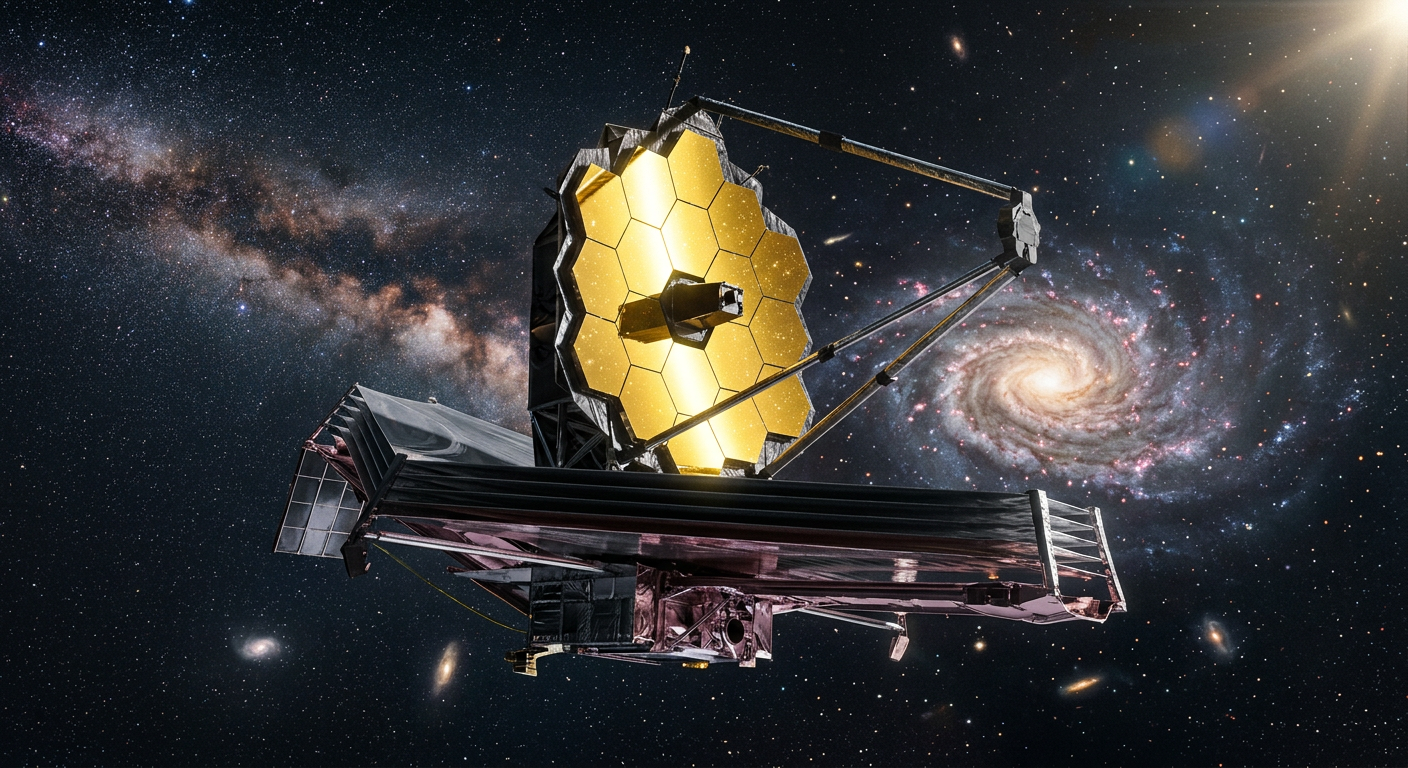
How infrared telescopes see the early universe
Light from the first galaxies has been stretched into the infrared by cosmic expansion. Here is why that matters for how we build observatories.
Read the story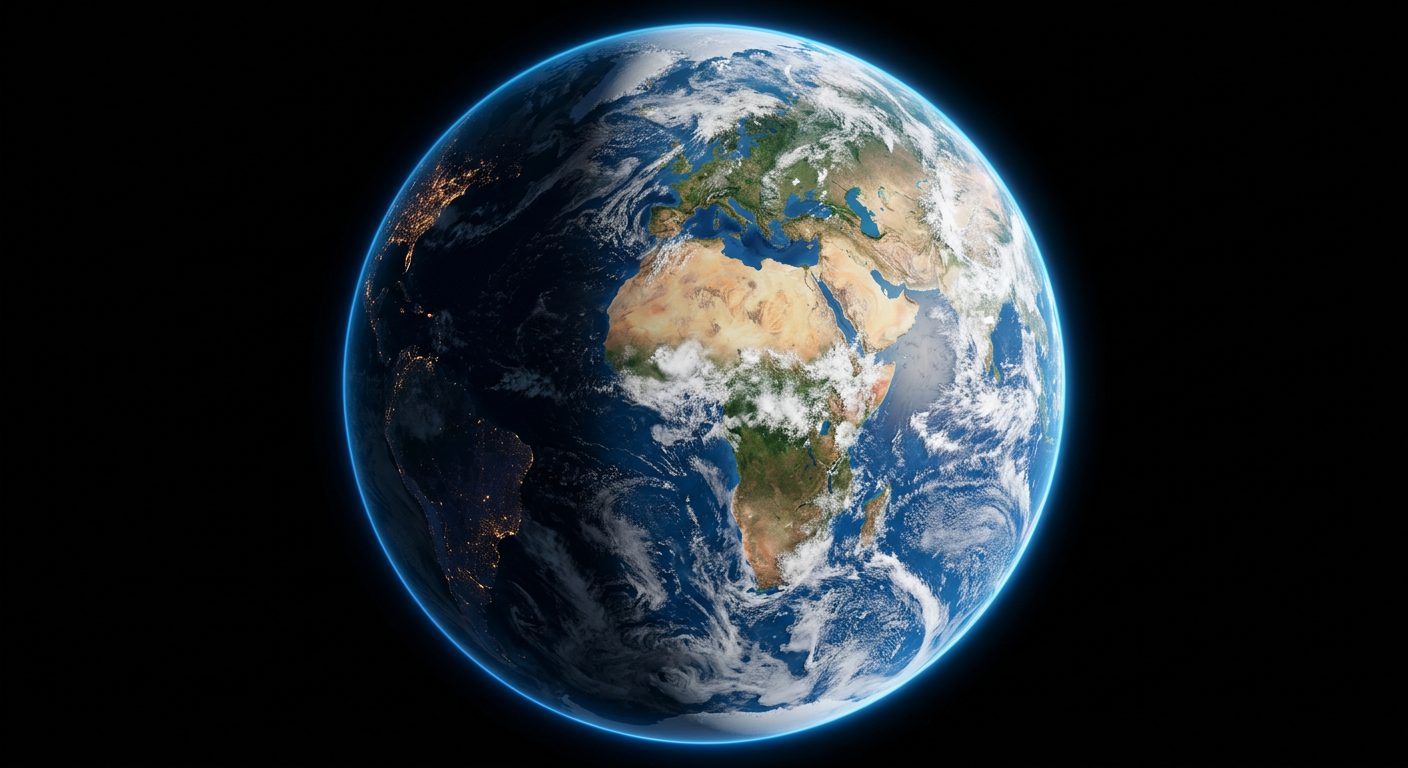
COSMOS
Discover the universe beyond imagination.
01The concept
COSMOS brings together astronomical knowledge, cinematic imagery, and free exploration — a single place to travel from the surface of Earth to the edge of the observable universe.
Read stories that explain how the universe works, browse the worlds of our Solar System, and wander destinations at your own pace. No fixed path. Only curiosity.
02Destinations
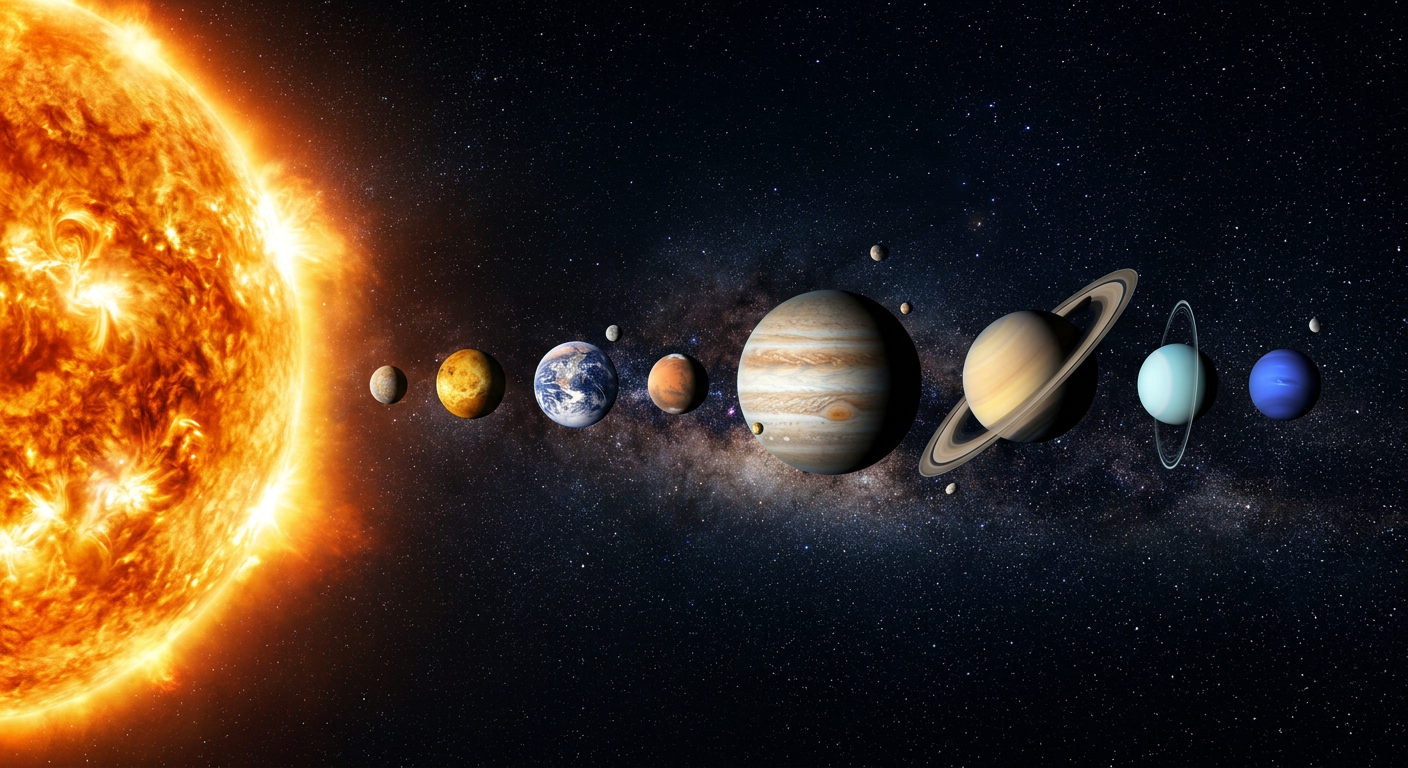
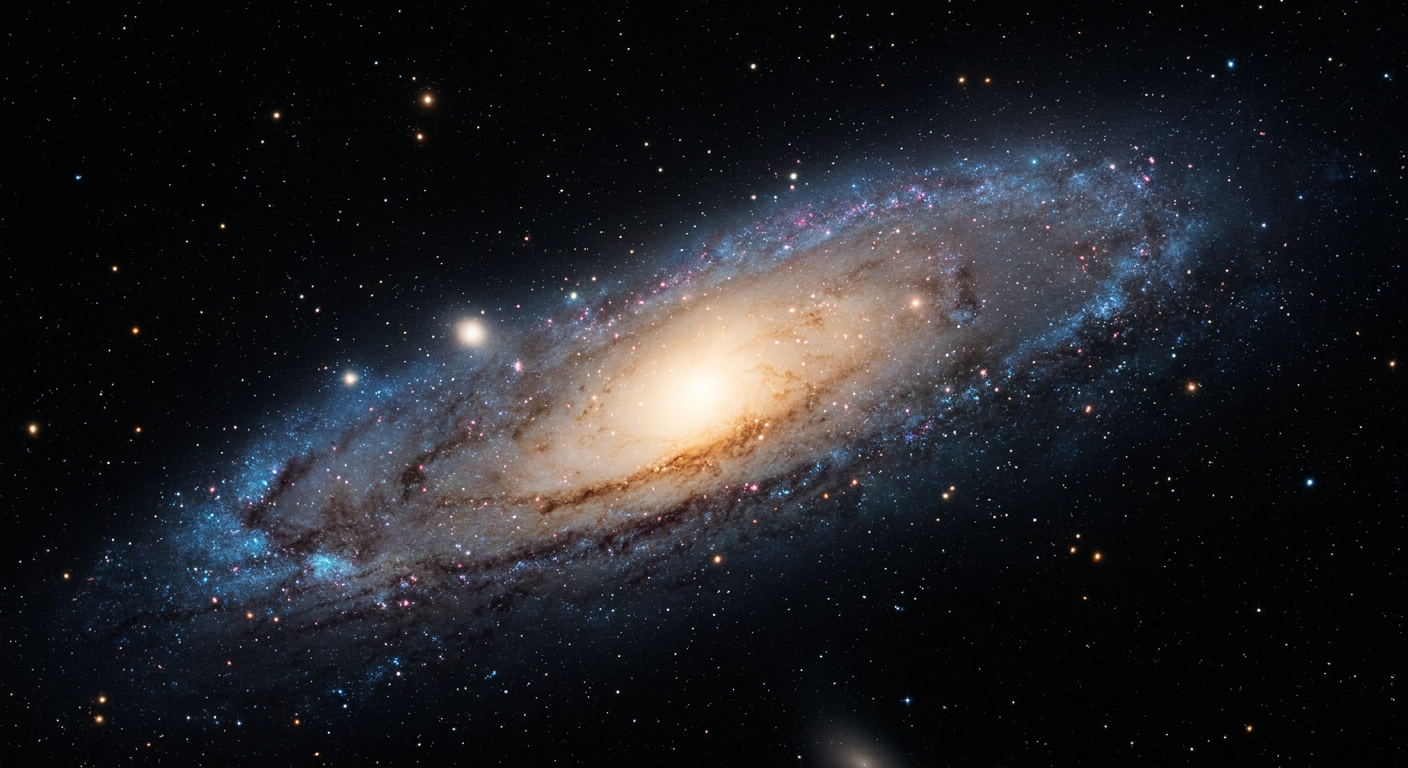
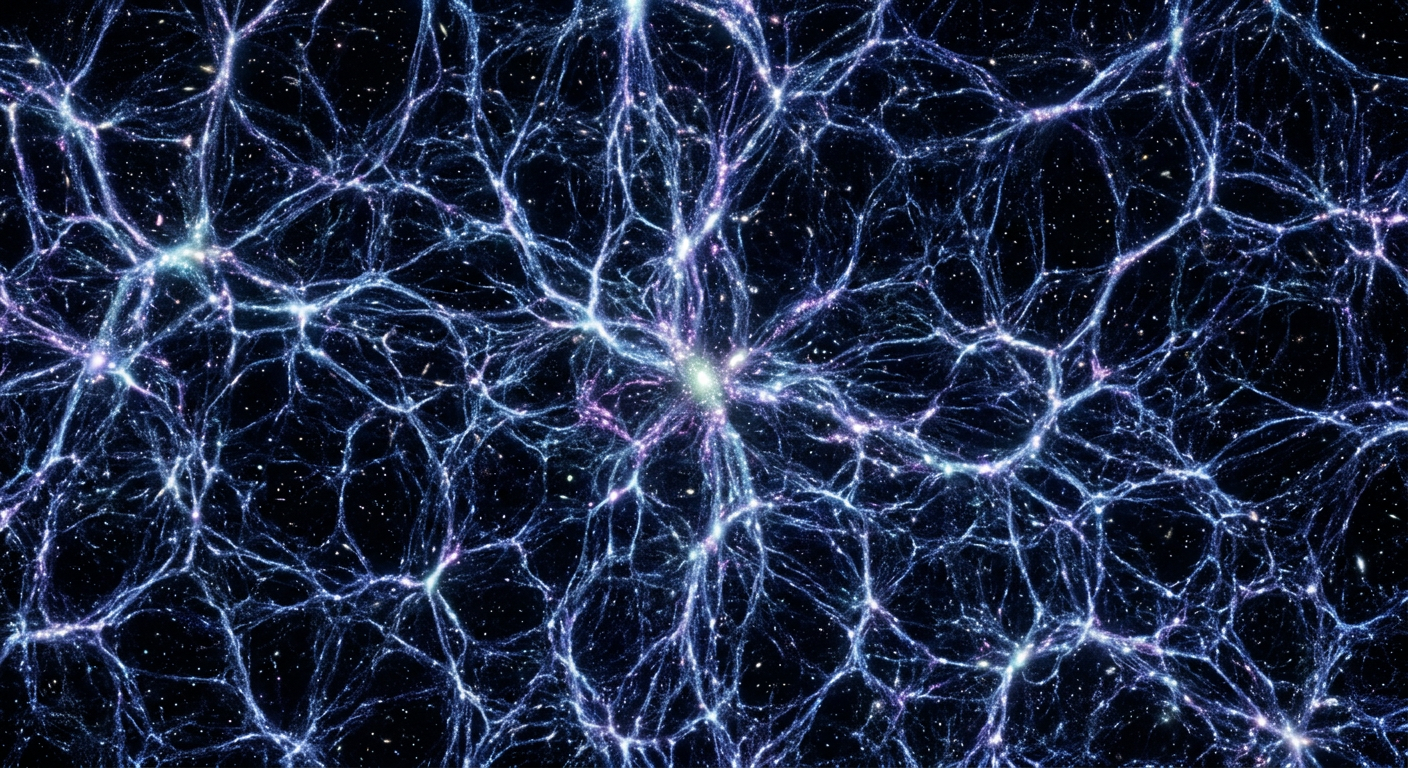
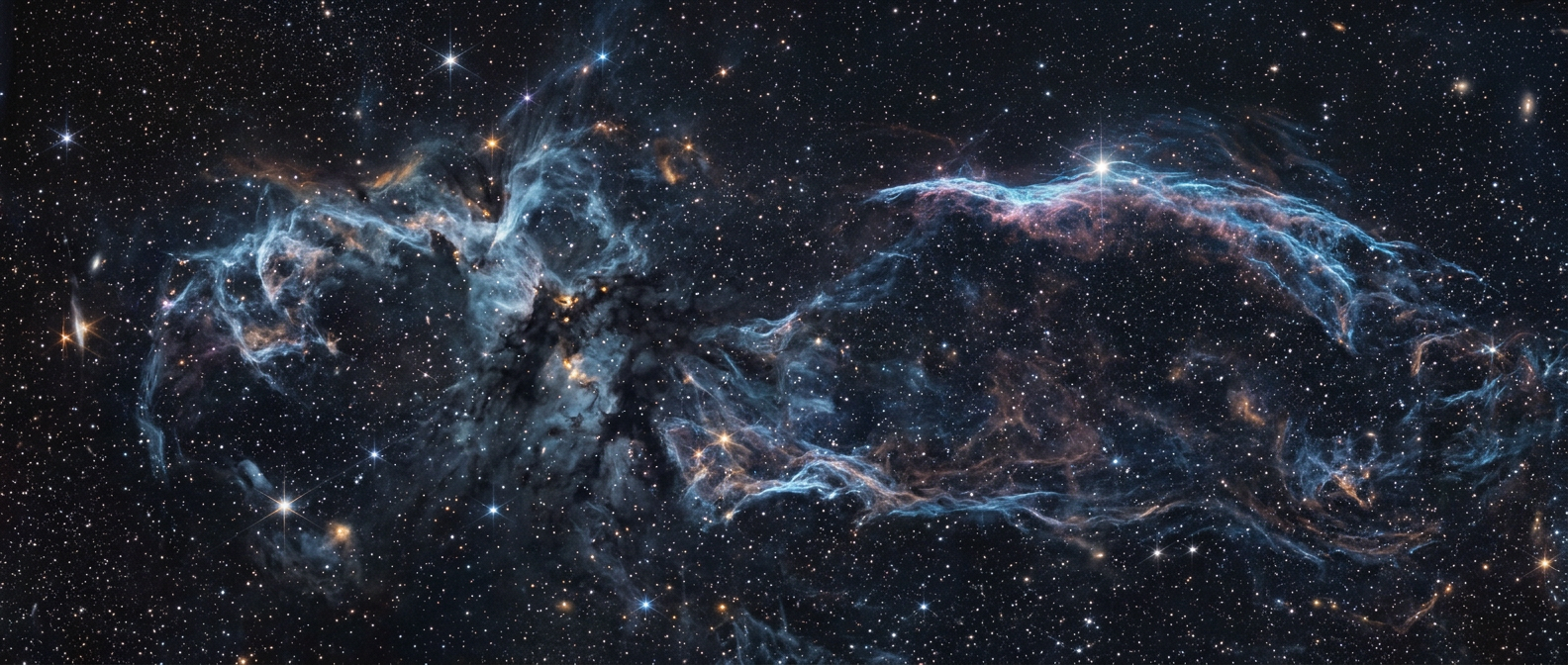
Five scales of the universe, from our home planet to the farthest light we can see.
03Latest discoveries
Sample editorial content — explainers based on established science, not breaking news.
Featured · Sample storyTechnology7 min
Light from the first galaxies has been stretched into the infrared by cosmic expansion. Here is why that matters for how we build observatories.
Read the story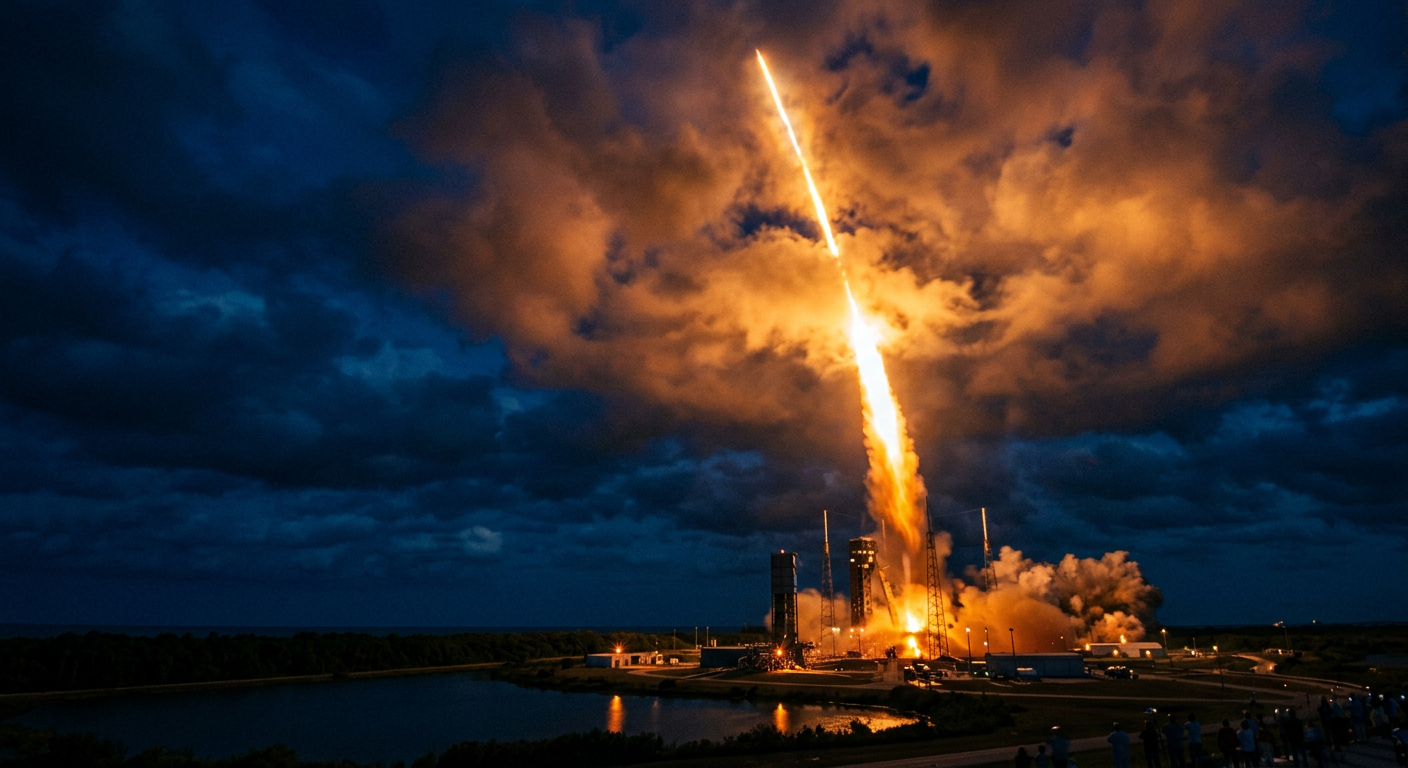
Space Exploration5 min
Launches are timed to the second for a reason. Orbital mechanics, target trajectories, and weather all decide when a rocket can fly.
Read more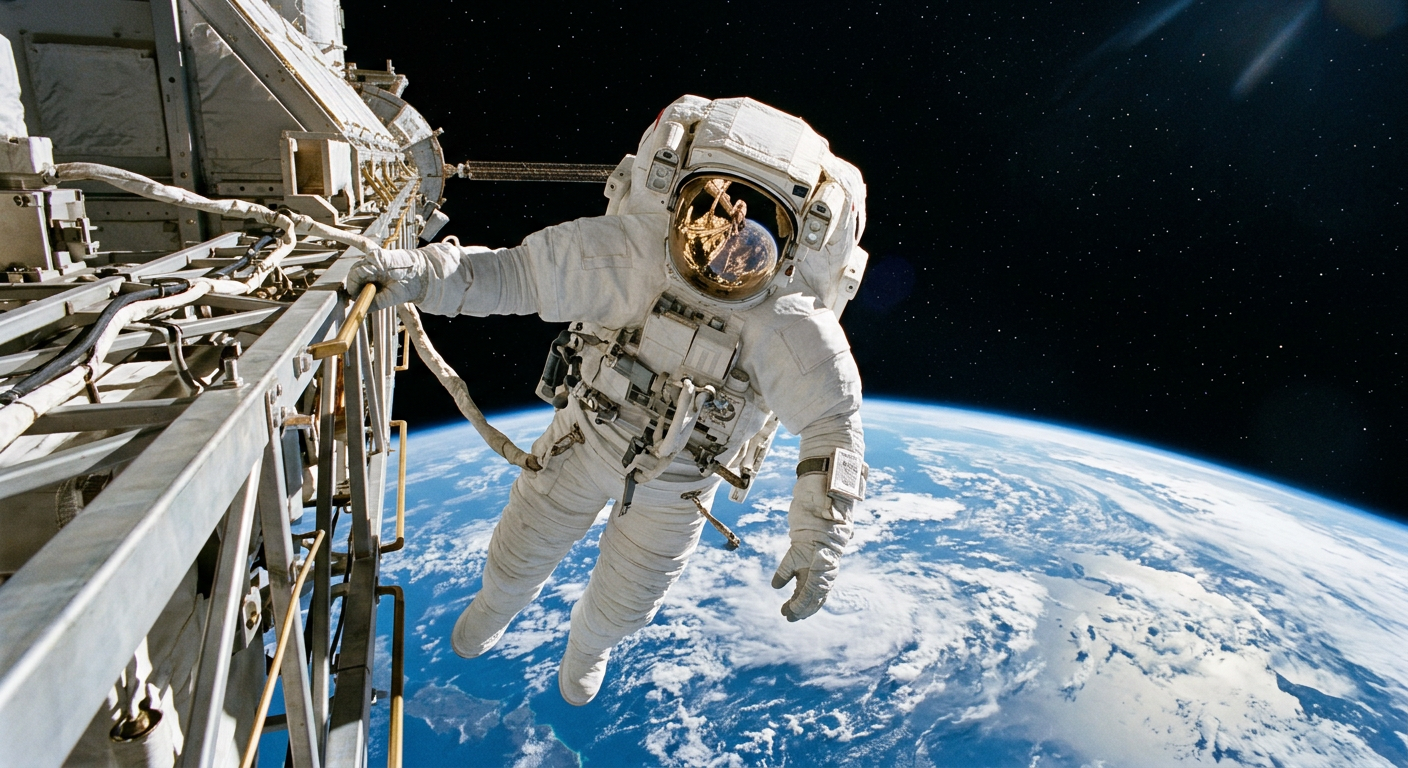
Missions6 min
Extravehicular activity is among the most demanding tasks in human spaceflight. A look at the preparation behind every hour outside.
Read moreMore to read
04By the numbers
Measured facts about our universe. Each figure is a scientific estimate from the cited agency.