Astronomy6 min
Finding planets by the shadows they cast
The transit method has revealed thousands of worlds beyond our Solar System. It works by watching starlight dim, ever so slightly.
Sample article — placeholder editorial content for COSMOS Phase 1.
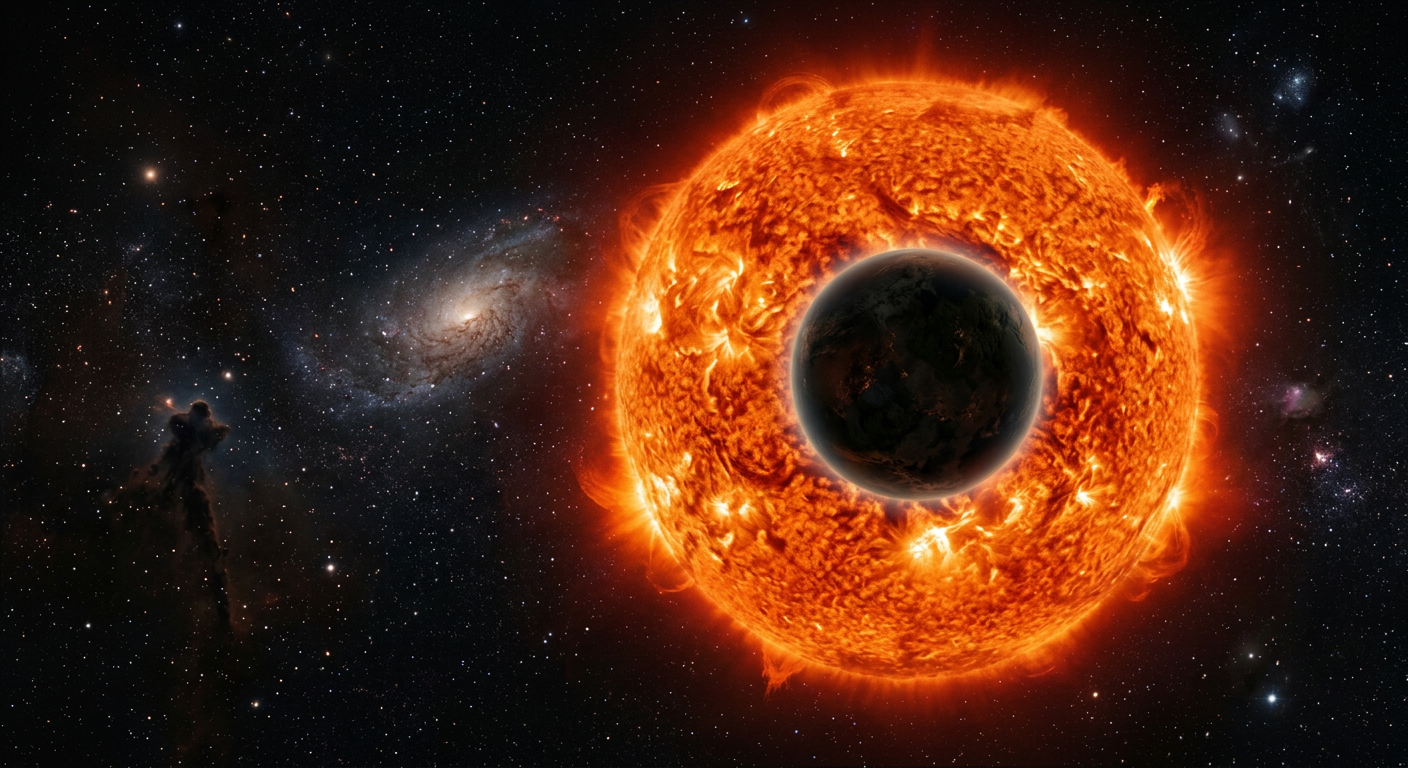
When a planet passes in front of its star from our point of view, it blocks a tiny fraction of the starlight. Measuring these regular dips reveals the planet’s size and orbital period.
Combined with the radial velocity method — which detects a star’s wobble — astronomers can estimate a planet’s mass and density, hinting at whether it is rocky or gaseous.
During a transit, some starlight also filters through the planet’s atmosphere, allowing scientists to search for chemical fingerprints.