Space Exploration5 min
What a rocket launch window really means
Launches are timed to the second for a reason. Orbital mechanics, target trajectories, and weather all decide when a rocket can fly.
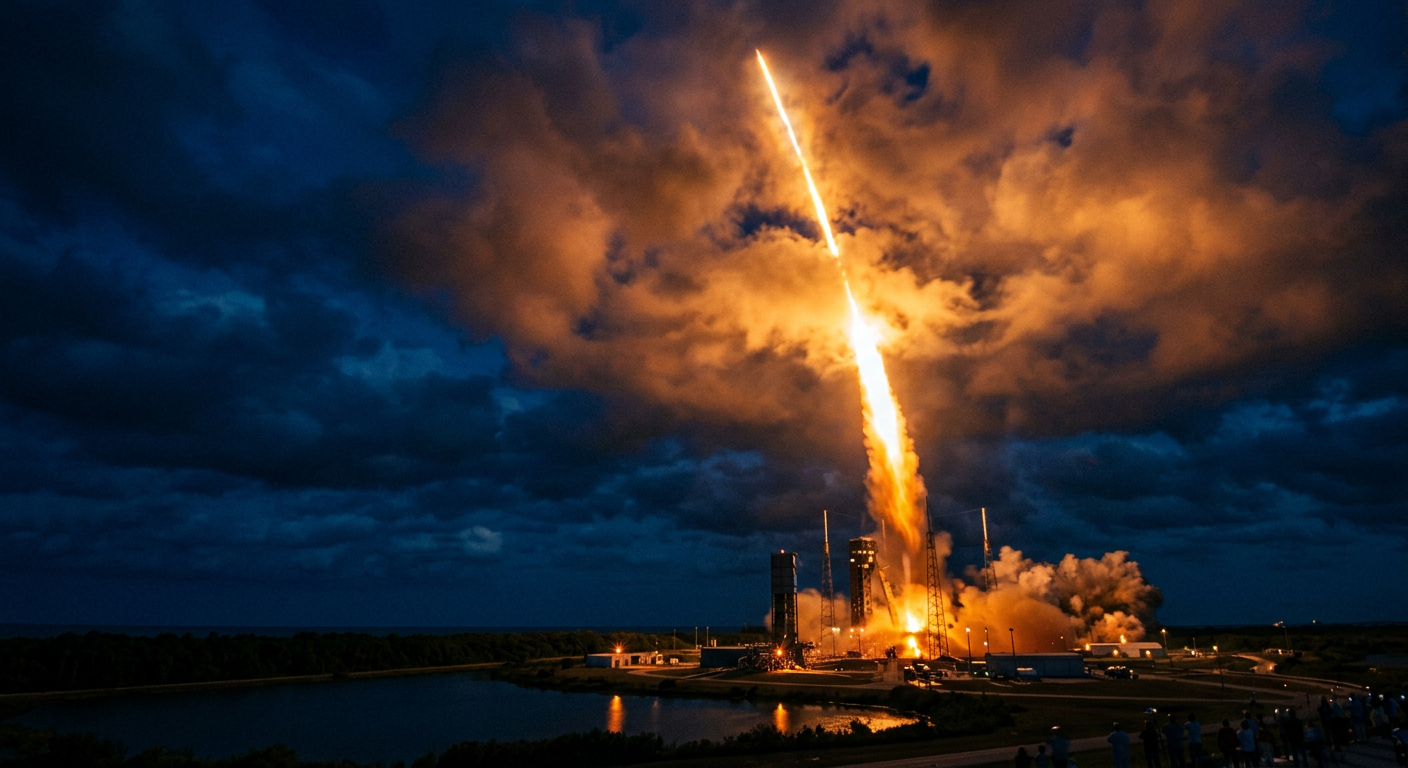
Sample article — placeholder editorial content for COSMOS Phase 1.
A launch window is the period during which a rocket can lift off and still reach its intended orbit or trajectory. For missions to other planets, windows can open only every couple of years, when planetary alignment minimises the energy required.
For rendezvous missions — such as docking with a space station — the window can be nearly instantaneous, because the launch site must rotate beneath the station’s orbital plane.
Weather, range safety, and vehicle readiness then narrow that window further on launch day.